

2026 Sigma Region 8 Conference
Research, Advocacy, and the Future of Nursing
Shaping Today, Advancing Tomorrow
March 5–7, 2026
The Capstone College of Nursing
The University of Alabama
Tuscaloosa, Alabama
Sigma's Organizational Call to Action 2025–2027
Lead Together
For more than 100 years, Sigma has united nurses around the world through scholarship, leadership, and service. Lead Together invites every nurse, in every role, in every global region, to shape the future of healthcare by standing stronger in community than we ever could alone.
- Our Voice: We elevate our voice to advocate for the issues that matter most to nursing and our patients.
- Our Value: We advance our value as trusted clinical experts, educators, researchers, and innovators.
- Our Impact: We expand our impact, improving health outcomes and advancing equity across diverse global communities.
Sigma nurses: This is our time. Let's Lead Together—across nursing, within Sigma, and around the globe.
Learn more at SigmaConference Leadership
Meridith Rice
2026 Region 8 Committee Chair
Leading the conference planning committee and opening ceremonies.
Dr. Priscilla Simms-Roberson
Sigma Region 8 Coordinator
Supporting strategic programming and presenter engagement.
Dr. Heather Cole
President, Epsilon Omega Chapter, Sigma
Chapter leadership and conference support.
Planning Committee
- Staci Simmons
- Melissa Miasek
- Tara Sullivan
- Audrey Landry
- Jennifer Miller
- Pam Johnson
- Andrea Smith
- Lynsey Baker
- Suzanne Prevost
- D'Ann Somerall
- Kacie Duncan
- Melissa McBride
- Sarah McGraw
- Laurie Hunter
- Angel Boling
- Ashley York
- Carrie Henry
- Heather Cole
- Ronda Christman
- Tracie Augusta
- Kim Douglas
- Knar Sagherian
- Marian Malone
- Priscilla Simms-Roberson
- Meridith Rice
- Josh Gunter
Schedule at a Glance
Thursday, March 5
Registration and welcome reception. Pick up conference materials, poster set-up, and silent auction item drop-off.
- 5:00PM–8:00PMRegistration & Welcome Reception
- Registration: Rotunda
- Welcome Reception: Room 1035
- Pick up conference materials, poster set-up, silent auction item drop-off
- Be sure to stay for drinks and networking! Instructions in your welcome packet
Friday, March 6
Opening ceremonies, keynote speakers (Maria Shirey, Christopher Collado), concurrent sessions, poster presentations, and silent auction.
- 7:30AM–8:30AMRegistration & Breakfast
- Registration: Rotunda
- Breakfast: Room 1035
- Pick up conference materials, poster set-up, silent auction item drop-off
- 8:30AM–8:50AMOpening Ceremonies
- Room 1035
- Ms. Meridith Rice, 2026 Region 8 Committee Chair
- Dr. Priscilla Simms-Roberson, Sigma Region 8 Coordinator
- Dr. Heather Cole, President, Epsilon Omega Chapter, Sigma
- 9:00AM–10:00AMKeynote Speaker: Dr. Maria ShireyRoom 1035
- 10:10AM–11:10AMConcurrent SessionsRooms 1026, 2018, 2019.
- 11:10AM–12:15PMSilent Auction Open & Poster Presentations
- Silent Auction Open: Room 1035
- Poster Presentations: Room 1035 (authors present)
- 12:20PM–1:30PMLunchRoom 1035
- 1:30PM–2:30PMKeynote Speaker: Christopher ColladoRoom 1035
- 2:40PM–3:40PMConcurrent SessionsRooms 1026, 2018, 2019.
- 3:40PM–4:00PMAfternoon BreakAfternoon break – refreshments
- 4:00PM–5:00PMSigma Session: D'Ann Somerall
- Room 1035
- Chapter Key Award Hints for a Successful Submission
Saturday, March 7
Breakfast, concurrent sessions, Sigma session with Suzanne Prevost, Region 8 meeting, and concluding remarks.
- 7:30AM–8:30AMBreakfast BuffetRoom 1035
- 8:40AM–9:40AMConcurrent SessionsRooms 1026, 2018, 2019.
- 9:50AM–10:50AMSigma Session: Suzanne Prevost
- Room 1035
- Beyond the Induction: Leveraging Sigma Membership for Career Success
- 11:00AM–12:00PMLunch & Region 8 Meeting
- Room 1035
- Region 8 Meeting: Dr. Priscilla Simms-Roberson, Sigma Region 8 Coordinator
- Concluding Remarks: Ms. Meridith Rice, Region 8 Conference Chair
- Evaluations and Instructions to obtain CE Hours
Keynote Speakers
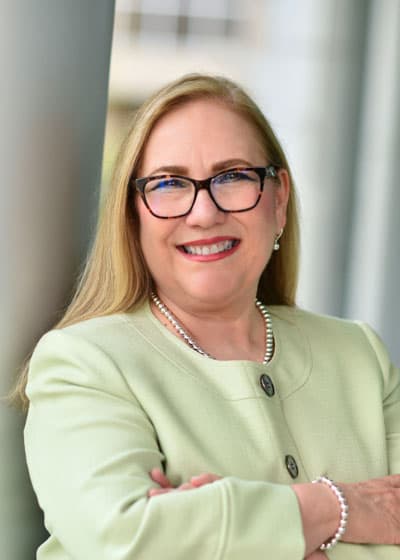
Dr. Maria Shirey
Dean, UAB School of Nursing
PhD, MBA, RN, NEA-BC, ANEF, FACHE, FNAP, FAAN
Friday 9:00 AM – 10:00 AM
Maria Shirey became the fifth dean of the UAB School of Nursing in June 2022 and is the first Hispanic dean of nursing in Alabama and the first minority to lead the School in its 75-year history. She began her career as a bedside cardiovascular critical care nurse and advanced through leadership roles as administrator, service line director, hospital vice president, and entrepreneur; as founding director of the Magnet Program for Excellence in Nursing Services at Deaconess Hospital in Evansville, Indiana, she led the organization to Magnet designation. She has held adjunct and full-time faculty roles teaching nursing leadership and management across BSN, MSN, DNP, and PhD programs and is a sought-after mentor to doctoral students. She joined UAB in 2013 as a tenured Professor and Assistant Dean for Clinical and Global Partnerships, served as Chair of the Department of Acute, Chronic and Continuing Care (2015–2019), then as Associate Dean for Clinical and Global Partnerships and inaugural holder of the Jane H. Brock – Florence Nightingale Endowed Professorship in Nursing; as Dean she holds the Fay B. Ireland Endowed Chair in Nursing. Her research focuses on leadership science and health services outcomes and on interprofessional collaborative practice models to advance care access and health equity for vulnerable populations; she has brought more than $20 million in extramural funding to UAB since 2013. She is a Fellow of the National Academies of Practice, Academy of Nursing Education, American Academy of Nursing, and American College of Healthcare Executives, and has received the American Organization for Nursing Leadership Nurse Researcher Award and the Association for Leadership Science in Nursing Suzanne Smith Memorial Award for Scholarly Writing Excellence.
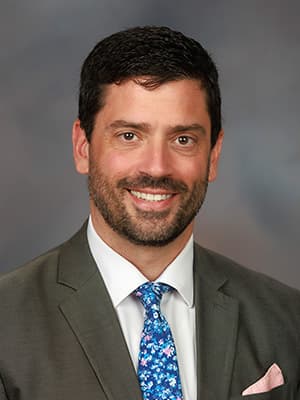
Christopher Collado
Associate Professor, UMMC School of Nursing
DHA, NP-C, CPNP-AC/PC
Friday 1:30 PM – 2:30 PM
Throughout his almost 30-year career, Chris Collado has served as a provider, academician, and healthcare leader with a focus on increasing healthcare access for underserved populations. In 2020, he led the operational transition and facility activation of the Kathy and Joe Sanderson Tower at Children's of Mississippi. Chris joined the Children's administrative team in 2021 as the Clinical and Administrative Services Director. In this role, he provided leadership for the Center for Maternal and Fetal Care, developed strategic partnerships with community health systems, and led the Center for Children with Medical Complexity. During his tenure, Children's expanded vital maternal and pediatric healthcare services across our state. As Director of the Center for Children with Medical Complexity, Chris helped improve care access for medically complex children resulting in reduced healthcare costs, ER utilization, and inpatient admissions. In 2024, he led the development of Children's five-year strategic plan and has presented regionally on healthcare topics and organizational change management.
Sigma Session Speakers

D'Ann Somerall
Sigma Session Speaker · DNP, MAEd, CRNP, FNP-BC, FAANP, FAAN
Chapter Key Award Hints for a Successful Submission
Friday 4:00 PM – 5:00 PM
Dr. Somerall is an Associate Professor at the UAB School of Nursing and an active member of the Nu at-Large Chapter #12. She has served in various chapter leadership roles and was the Region 8 Regional Chapter Coordinator from 2020 to 2024. She is currently co-director of the Health Policy Fellowship, which develops innovative ways to create change in the health care sector by training policy leaders.
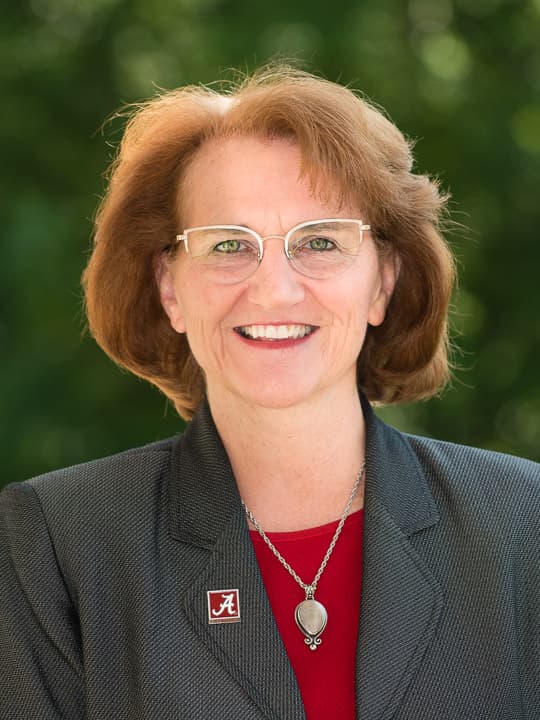
Dr. Suzanne Prevost
Sigma Session Speaker · PhD, RN, FAAN
Beyond the Induction: Leveraging Sigma Membership for Career Success
Saturday 9:50 AM – 10:50 AM
Dr. Suzanne Prevost has been a Sigma member for over 40 years. She has served in Sigma leadership roles at the chapter, regional, national, and international levels. From 2011-2013, Dr. Prevost served as the International President of Sigma Theta Tau. Currently, she chairs the Sigma International Building Corporation Board. Dr. Prevost also served as dean of the Capstone College of Nursing from 2013-2023. In 2023, she voluntarily transitioned to a tenured professor role at CCN. Previously, she was associate dean at the University of Kentucky, and the Endowed Chair in Gerontological Nursing at Middle Tennessee State University. From 1993-1998, she was the Director of Nursing Education and Research at the University of Texas Medical Branch. Earlier in her career, she worked as a Clinical Nurse Specialist and critical care staff nurse. Dr. Prevost received her BSN at Villa Maria College in Pennsylvania, her MSN at the Medical University of South Carolina, and her PhD at Texas Woman's University. She has completed a Hartford Postdoctoral Fellowship, and the Robert Wood Johnson Nurse Executive Fellowship. She served as the editor of the journal Critical Care Nursing Clinics of North America from 2002-2007, and editor of Nursing Clinics of North America from 2007 to 2012. She currently serves on the editorial board of the Journal of Nursing Scholarship.
Podium Presentations
Concurrent oral sessions by time and room.
Friday 10:10 AM – 11:10 AM
Room 2018(Moderator: Kacie Duncan)
Faculty Academy Development Program: Shaping Nurse Educators for Today and Tomorrow
Cori Heier, PhD, RN, CNE, CHSE, NE-BC, Matthew Jennings, M.Ed., Kevin Keane, PhD, MA, MBA, CHES, Penni Watts, PhD, CHSE-A, FNAP, FSSH, ANEF, FAAN, Linda Moneyham, PhD, RN, FAAN
- Participants will be able to explain the main features of a Faculty Academy model for nurse educator development.
- Participants will be able to identify ways the Faculty Academy improves faculty confidence and teaching skills using evidence-based practices.
The Faculty Academy is a four-month, competency-based program that prepares nurse educators for today's and tomorrow's challenges. Integrating online and in-person learning, it significantly improves faculty confidence and teaching skills, bridging the clinician-to-educator gap and fostering continuous professional development through evidence-based practices, mentorship, and practical teaching projects.
Building Educator Competence Among Clinical Nursing Instructors
Dana Mitchell, DNP, RN, ACNP-BC, CHFN, CNE, Katie Parris, DNP, RN, CNE
- Explain the purpose and structure of the NLN Academic Clinical Nurse Educator Competencies and the ACNESAT tool, including how the tool supports self-assessment and targeted professional development for clinical instructors.
- Describe key strategies used to teach participants to use active learning techniques to engage students and promote clinical judgement.
This report describes a faculty development initiative to enhance educator competence among clinical nursing instructors. Guided by NLN Clinical Educator Competencies and the Academic Clinical Nurse Educator Skill Acquisition Tool (ACNESAT), the workshop improved participants' confidence in applying essential teaching strategies, as evidenced by pre- and post-intervention scores.
Room 2019(Moderator: Staci Simmons)
Does Theory Apply to Reality? Practical Frameworks for Nursing Care of Bereaved Families
Carrie J. Henry, PhD, CNM, RN
- Attendees will be able to describe three theories which can guide nursing care for bereaved families.
- Attendees will practice applying theories from nursing and other disciplines to the nursing care of bereaved families.
Students, practicing nurses, and faculty struggle to connect nursing theories with practice. Yet several theories from nursing and other disciplines can guide care for bereaved families. Understanding Swanson's Caring Theory, Worden's Tasks of Mourning, and the Theory of Continuing Bonds can equip nurses to provide comprehensive care for these families.
Room 1026(Moderator: Brittany Woods)
What Impacts Student Satisfaction In Seminar Nursing Education Classes?
Julie Perry, PhD, RN, Robingale Panepinto, DNP, RN
- The Learner will be able to identify factors that improve student satisfaction in nursing courses.
- The Learner will be able to identify areas where the Student Satisfaction survey is able to be incorporated into their evaluation process.
Class size is a critical factor in higher education that significantly impacts student learning and faculty teaching experiences. This quality improvement (QI) project investigated the impact of class size on student satisfaction in seminar-style courses within a Master of Nursing Program's pre-specialty year. Results revealed that students prioritized teacher encouragement and supportiveness as the most important factors in their learning experience. Four of the top five survey items were directly influenced by class size and faculty engagement. Students reported that smaller class sizes facilitated academic interactions, equitable instructor interactions, and opportunities for active participation.
The Science of Learning: Evidence-Based Strategies to Empower Nursing Students
Priscilla Simms-Roberson, DNP, APRN, NP-C, SANE-A
- At the conclusion of this presentation, participants will be able to describe at least two key teaching principles from the Science of Learning.
- At the conclusion of this presentation, participants will be able to apply at least one evidence-based teaching strategy by designing or adapting a current classroom, simulation, or clinical activity.
- At the conclusion of this presentation, participants will be able to explain at least one evidence-based learning strategy that can be implemented by students to improve learning and retention.
This presentation explores evidence-based strategies from the Science of Learning to enhance nursing education. Attendees will learn how to apply techniques such as retrieval practice, spacing, elaboration, and dual coding to improve knowledge retention, critical thinking, and clinical reasoning, empowering nursing students to learn more effectively and perform with confidence.
Friday 2:40 PM – 3:40 PM
Room 2018(Moderator: Kacie Duncan)
Increasing Awareness of Sexual Assault Resources Among Undergraduate College Students
Amanda Rice, BSN, RN, Brooke Williams, BSN, RN
- After participating in this activity, attendees will report increased knowledge about at least two contributing factors to low reporting rates among undergraduate college students who have experienced sexual assault.
- After participating in this activity, attendees will report increased knowledge about at least one evidence-based intervention to implement on a college campus to increase help-seeking behaviors following sexual assault.
- After participating in this activity, attendees will report increased knowledge about at least two project objectives that improved as a result of educating undergraduate students about sexual assault resources.
A quality improvement project was completed at a mid-sized public university in the southeastern U.S. by implementing targeted, evidence-based educational sessions across a university campus to increase student knowledge of support services, foster a supportive campus climate, and promote reporting behaviors following sexual assault. This project can be replicated at other universities.
Human Papillomavirus Knowledge in Rural Alabama
Jayne Graben Turner, Haley Townsend, EdD
- Increase HPV awareness through ACS and ACOG HPV and cervical cancer screening guidelines. The learner will be able to identify current guidelines for vaccination and cervical cancer screening using EBP guidelines.
- Increase cervical cancer screening in rural patients. Learners will be able to discuss ASCCP guidelines for cervical cancer screening and how to offer new self swab HPV testing backed by ACS to increase screening availability in rural areas.
Human Papillomavirus (HPV) is the most prevalent viral sexually transmitted infection (STI) in the United States (Centers for Disease Control and Prevention [CDC], 2024a). More than 42 million Americans are infected with HPV, which is known to cause disease, with 13 million new cases each year (CDC, 2024a). The virus is typically cleared by the body without cause for concern. However, some cases of HPV lead to negative health outcomes such as cervical, anal, and throat cancer as well as anogenital warts (Joura et al., 2015). In addition to physical outcomes, individuals with HPV may experience stress from the concern of transmitting the viral infection to sexual partners (Alabama Department of Public Health, n.d.).
Room 2019(Moderator: Staci Simmons)
The Silent Struggle
Tara Wood, DNP, CRNP, NNP-BC, Jennifer Humphries, DNP, CRNP, NNP-BC
- Identify factors contributing to mental and emotional distress among NICU nurses.
- Describe the purpose and components of the Code Lavender support intervention.
- Discuss how implementing Code Lavender promotes resilience, psychological safety, and staff well-being in the NICU setting.
NICU nurses face chronic stress and emotional fatigue that threaten their mental health and patient safety. The Code Lavender program provides immediate emotional and spiritual support during distress, fostering resilience and psychological safety. Implementing this initiative emphasizes nurse well-being, reduces stigma, and promotes a supportive, compassionate workplace culture in neonatal care settings.
Secondary Traumatic Stress Screening and Education for Perinatal Nurses
Amanda Eaker, DNP, RNC-OB, Carrie Henry, PhD, CNM, RN
- Describe the prevalence and impact of secondary traumatic stress among perinatal nurses.
- Identify common signs and symptoms of secondary traumatic stress using evidence-based screening tools.
Perinatal nurses are frequently exposed to traumatic clinical events that increase risk for secondary traumatic stress. This presentation describes a completed quality improvement project implementing secondary traumatic stress screening and targeted education to improve awareness, identification, and confidence among perinatal nurses using a trauma-informed care framework.
Room 1026(Moderator: Kay Scott)
Who is leading nursing today?
Caley Stogner, DNP, APRN, PNP-AC, Carl Mangum, PhD, PMHNP-BC, NHDP-BC, CNE, FAEE
- Analyze the Fragmentation of Nursing Leadership: Learners will be able to evaluate how political, geographic, and philosophical divisions within the nursing profession contribute to fragmented leadership and hinder unified advocacy efforts.
- Assess the Impact of Policy and Legislation on Nurse Safety: Learners will be able to examine how variations in state-level nurse-to-patient ratio laws affect workplace safety, job satisfaction, and retention among nurses.
- Evaluate Strategies for Advancing Unified Nursing Leadership: Learners will be able to propose collaborative approaches that integrate professional organizations, government agencies, and grassroots movements to strengthen nursing leadership and influence healthcare policy.
Nursing leadership remains fragmented, lacking a unified voice to address critical issues such as nurse safety, workplace conditions, and educational standards. Diverse organizations, government agencies, and grassroots movements exert influence, yet competing priorities hinder progress. Greater collaboration and cohesive advocacy are essential for advancing nursing leadership nationally.
iNforming the Future of Healthcare
Melissa DeFoor, PhD, RN, CLD, LCCE, Amy Seay, PhD, RN, Melanie Looser, DNP, ACNP-BC, Neysa Brown, DNP, RN, Tera Kirkman, EdD, RN, Michelle Nelson, PhD, RN
- Review the key components of a technology-enhanced learning initiative designed to strengthen clinical judgment and informatics competency in nursing education.
- Discuss strategies for integrating technology, simulation, and digital clinical tools to enhance student engagement, clinical reasoning, and professional portfolio development.
- Evaluate the impact of digital learning initiatives on student outcomes, faculty teaching practices, and preparation of a future-ready nursing workforce.
Faculty created the iNforming the Future of Healthcare initiative to transform nursing education through intentional digital integration, faculty development, and technology advocacy. The program aligned curricula with modern clinical demands, ensured equitable device access, embedded digital tools, and strengthened clinical judgment, informatics competence, and professional readiness while promoting sustainable teaching.
Saturday 8:40 AM – 9:40 AM
Room 2018(Moderator: Mahalia Barrow)
Rethinking Obesity Assessment
Brandi Lester, MSN, RN, NP-C
- Describe the limitations of body mass index (BMI) when used alone for cardiometabolic risk assessment and explain the evidence supporting waist circumference as an additional clinical measure in primary care.
- Identify practical strategies for implementing standardized waist circumference measurement into routine primary care workflows, including staff education, documentation processes, and patient-centered communication.
- Evaluate how integrating waist circumference with BMI can improve identification of abdominal obesity and enhance risk stratification, lifestyle counseling, and prevention efforts for cardiometabolic disease in adult patients.
This presentation examines the integration of waist circumference measurement alongside body mass index in primary care to improve identification of cardiometabolic risk. Using an evidence-based, quality improvement approach, the project highlights practice implications, clinical feasibility, and potential impact on patient-centered risk assessment and prevention strategies.
Time-Restricted Eating, Prolonged Nightly Fasting, and Intermittent Fasting as a Nursing Plan of Care for Cognitive Health: A Concept Analysis.
Susan Egas, BSN, RN, Maryam Rostamvand, BSN, MSN, Phaowiriya Hathaichoanok, BSN, MSN, Xueling Zeng, BS, Heather Shelton, BSN, RN, Anusha Qamaruddin, MS, James Gilbreath, MLIS, David E. Vance, PhD, MGS, FAAN
- By the end of this presentation, participants will be able to describe the key attributes, antecedents, and consequences of time-restricted eating, prolonged nightly fasting, and intermittent fasting as identified through a concept analysis, and explain how these strategies may influence cognitive health and neuroprotection in adult populations.
- By the end of this presentation, participants will be able to apply the findings from this concept analysis to nursing practice by identifying ways to integrate individualized fasting strategies into nursing care plans to promote cognitive health, assess patient adherence, and evaluate outcomes related to brain function and quality of life.
- By the end of this presentation, participants will be able to critically evaluate current evidence on fasting interventions for cognitive health, differentiate between various fasting protocols (e.g., 16:8, 14:10), and determine which strategies may be appropriate for inclusion in individualized nursing care plans based on patient needs and health status.
This concept analysis explores time-restricted eating, prolonged nightly fasting, and intermittent fasting as nursing interventions to support cognitive health. Using Roger's evolutionary method, findings suggest these strategies may enhance neuroprotection, focus, and reduce inflammation. Incorporating individualized fasting approaches into nursing care plans may promote brain health and improve quality of life.
Room 2019(Moderator: Kay Scott)
Competence to Credit: An Adaptable Framework for Grading Student Performance Under the AACN Essentials
Amanda Safford, DNP, RN, Rachel Lowery, MSN, RN, Ashley McMath, DNP, RN, CNE
- Analyze the institutional challenge of translating demonstrated nursing competency levels (per the AACN Essentials) into traditional alpha-numeric grades for GPA calculation.
- Evaluate the utility of the adapted O-SCORE framework as a model for creating a transparent, consistent, and developmentally progressive competency-based grading scale.
- Identify key lessons learned regarding faculty development, inter-rater reliability, and student communication essential for the successful implementation of a new competency-based grading system.
Facing the challenge of translating competency levels into GPA-compliant alpha-numeric grades for the AACN Essentials, an inter-program faculty team adapted the O-SCORE framework. This grading model was implemented to successfully operationalize CBE within institutional structures. The presentation will share the adapted framework and vital lessons learned regarding faculty development and assessment consistency.
Basics Bootcamp: An Innovative Competency-Based Education Model for a Baccalaureate Nursing Foundations Course
Hannah Pope, DNP, RN, CNE, Kelli Burdette, PhD, RN, CNE, Kimberly French, PhD, RN
- Analyze how to structure formative and summative assessments in undergraduate nursing to align with the AACN Core Principles for CBE assessment.
- Describe how to integrate deliberate practice to move students from demonstrating isolated skills to performing comprehensive practice necessary for clinical judgment.
- Identify key strategies for iterative curriculum revision and nurse educators' professional role in evolving educational transformation.
Room 1026(Moderator: D'Ann Sommeral)
Developing Professional Relationships Through Healthcare Simulation
Stacey Ash, DNP, RN, CNE, CNL, Jacquelyn Smith, DNP, RN
- Identify at least one creative solution that creates and nurtures professional relationships.
- Discuss at least one way that implementing simulation in healthcare curriculum can foster professional relationship development.
Communication is a key component in relationship development and maintenance. Creative solutions, such as simulation activities, cultivate safe and interactive experiences for participants. Communication focused simulations that are integrated into healthcare curriculum may improve professional relationship development.
Pediatric Assessment Day: Bringing Children to Class for Structured, Authentic Experiential Learning
Jessica M. Johnson, PhD, RN, PNP-PC
- Learners will explain how Pediatric Assessment Day aligns with AACN Essentials Domains 1, 2, and 9 to support foundational pediatric assessment competencies.
- Learners will describe the limitations of traditional standardized patient simulation in pediatric assessment and the rationale for alternative experiential learning approaches.
- Identify key components necessary to implement a structured, authentic pediatric assessment experience using children and families.
Pediatric Assessment Day immerses nursing students in authentic well-child encounters with children and families, promoting developmental competence, professionalism, and readiness for pediatric clinical practice. Grounded in AACN Essentials and existing research, this experience offers a structured yet realistic alternative to standardized patient or high-fidelity manikin simulation.
Poster Presentations
Poster Session 1
Screen 1
Predicting Self-Awareness of Everyday Functioning in Middle-Aged and Older Adults with HIV Through the Cognitive Awareness Model
Hathaichanok Phaowiriya, MSN, BNS, Maryam Rostamvand, MSN, BNS, Susan Egas, BS, Heather Shelton, BSN, RN, Xueling Zeng, MS, BS, Anusha Qamaruddin, Alexandra Elaine Jacob, PhD, Michael Crowe, PhD, Victor A. Del Bene, PhD, Despina Stavrinos, PhD, Pariya L. Fazeli, PhD, & David E. Vance, PhD, MGS, FAAN
Subtle cognitive impairments can affect the independence in everyday functioning of people with HIV (PWH). Applying Cognitive Awareness Model (CAM) can examine the direct and indirect effects of executive function, memory, age, depression, HIV disease burden, and premorbid cognitive abilities on self-awareness of everyday functioning in middle-aged and older PWH.
Screen 2
Self-Awareness of Everyday Functioning among Middle-Aged and Older Adults with HIV: A Multinomial Logistic Analysis
Maryam Rostamvand MSc, BSc
This study investigated the differences in self-awareness of functional abilities among middle-aged and older adults with HIV across four IADL domains: (1) medication management, (2) financial management, (3) telephone use, and (4) grocery shopping. Under-reporting was more common than over-reporting difficulties. Lower executive functioning and word-reading skills were associated with under-reporting, while higher depressive symptoms were linked to over-reporting in financial management and shopping activities.
Screen 3
Predictors Of Cognitive Intra-Individual Variability In Aging Adults With HIV
Xueling Zeng, MSc, Maryam Rostamvand, BSN, MSN, Phaowiriya Hathaichoanok, BSN, MSN, Susan Egas, BS, Heather Shelton, BSN, RN, Anusha, Qamaruddin, & David E. Vance, PhD, MGS, FAAN
Cognitive intra-individual variability may capture subtle fluctuations that traditional cognitive assessments missed. This exploratory study examined cognitive IIV in 260 middle aged and older adults PWH, Result suggested that higher cognitive IIV associated with external locus of control and openness
Screen 4
Neonatal Nurse Practitioners, Where are you?
Jennifer Humphries, DNP, CRNP, NNP-BC & Tara Wood, DNP, CRNP, NNP-BC
This review explores challenges faced by Neonatal Nurse Practitioner (NNP) students in securing qualified preceptors. Key barriers include limited preceptor availability, staffing shortages, high workloads, and lack of institutional support. Solutions such as incentives, formal training, telehealth supervision, and improved institutional backing are essential to strengthen NNP education and clinical preparedness.
Screen 5
Bridging the Cognitive Divide: An Integrative Review of Discrepant Findings in Breast Cancer Survivors
Heather Shelton, RN, BSN, Susan D. Egas, BS, Maryam Rostamvand, BSN, MSN, Hathaichoanok Phaowiriya, BSN, MSN, Anusha Qamaruddin, MS, Xueling Zeng, BS, & David E. Vance, PhD, MGS, FAAN
This integrative review applied the Cognitive Awareness Model to examine subjective-objective cognitive discrepancies in breast cancer survivors. Evidence reveals distinct awareness patterns (accurate awareness, hyperawareness, unawareness, global impairment) with differential psychological and biological correlates. Both subjective complaints and objective deficits associate with functional outcomes, supporting comprehensive assessment protocols for survivorship care.
Screen 6
Building Belonging and Purpose: Early Engagement and Professional Identity for Nursing Students
Dana Mitchell, DNP, RN, ACNP-BC, CHFN & Nancy Claus, DNP, CRNP, FNP-BC, CNE
The SOSE Expo fosters early professional identity formation in nursing students by simulating a conference-style exhibition. Through engagement with professional nursing organizations, connections with resources, and employment opportunities, students gain awareness, envision future roles, and feel a sense of belonging. The initiative is sustainable, replicable, and aligns with curricular goals.
Poster Session 2
Screen 1
Enhancing Research Efficiency Through Effective Project Coordination
Anusha Qamaruddin, MS, Susan D. Egas, BS, Maryam Rostamvand, BSN, MSN, Hathaichoanok Phaowiriya, BSN, MSN, Heather D. Shelton, BSN, RN, Xueling Zeng, BS, & David E. Vance, PhD, MGS, FAAN
This project highlights how effective project coordination supports research productivity. By managing communication, compliance, participant activities, budgeting, and administrative tasks, the coordinator streamlines workflows and reduces burdens on principal investigators. Centralized coordination improves efficiency, organization, and collaboration, ultimately strengthening research operations and supporting successful project outcomes.
Screen 2
Emotional Intelligence as a Catalyst for Relationship-Building in Baccalaureate Nursing Education
Andrea Sartain, EdD, MSN, RN & Haley Strickland, EdD, MSN, RN
This study compared emotional intelligence (EI) scores between junior and senior nursing students. Seniors scored slightly higher, but differences were not significant. Findings suggest incidental learning is insufficient for developing relationship-building skills. Structured EI integration and longitudinal research are recommended to prepare nurses for effective communication and improved patient outcomes.
Screen 3
Psychosocial health in adults with infertility: Differences by treatment-seeking status
Brittany Woods, PhD, RN, CNOR & Kathleen Gunter, PhD, MSN, RN
This pilot study compared mental health, resilience, infertility stress, and fertility quality of life among adults with infertility by treatment-seeking status. Results highlight the need for comprehensive screening and resilience-focused support for all individuals experiencing infertility, regardless of treatment engagement.
Screen 4
Using AI Simulation to Educate Students Caring for Adults with Disabilities
Julie Perry, PhD, RN & Ally Bateman, DNP
Disability affects nearly one-third of U.S. adults, yet nursing education often lacks preparation for disability-focused care. We propose GPT-facilitated, voice-based simulations enabling students to practice individualized communication with patients with diverse disabilities. Focus groups prefer iterative, independent practice. Early feedback shows simulations are meaningful, usable preparation for future patient encounters.
Screen 5
Hospital Organizations' Obligation to Promote Spiritual Well-being Among Nurses: Development of a Normative Ethical Argument
Michael Jordan, PhD, MSN, MBA, RN
Supporting nurses' spiritual well-being—and extending this focus into nursing education—helps nurses nurture their spirituality, provide holistic patient care, and build moral resilience. Investing in nurses' spiritual growth enhances job satisfaction, strengthens care quality, and fosters a more compassionate, healing environment for both caregivers and patients.
Screen 6
Two Degrees, One Community: Strengthening Belonging in Academic Nursing
Nancy Claus, DNP, CRNP-BC, CNE, Laura Steadman, EdD, CRNP
A joint enrollment pathway linking community colleges and a university increases BSN-prepared nurses by reducing geographic and financial barriers while fostering student belonging. Coordinated curricula, dedicated advising, and strong partnerships support student success, showing promise for addressing nursing shortages, particularly in rural and underserved areas.
Sponsors & Exhibitors
Thank you to our 2026 Sigma Region 8 Conference sponsors. Logos and ads are grouped by sponsorship level.
Platinum Sponsors

Sponsor advertisement
Silver Sponsors

Sponsor advertisement
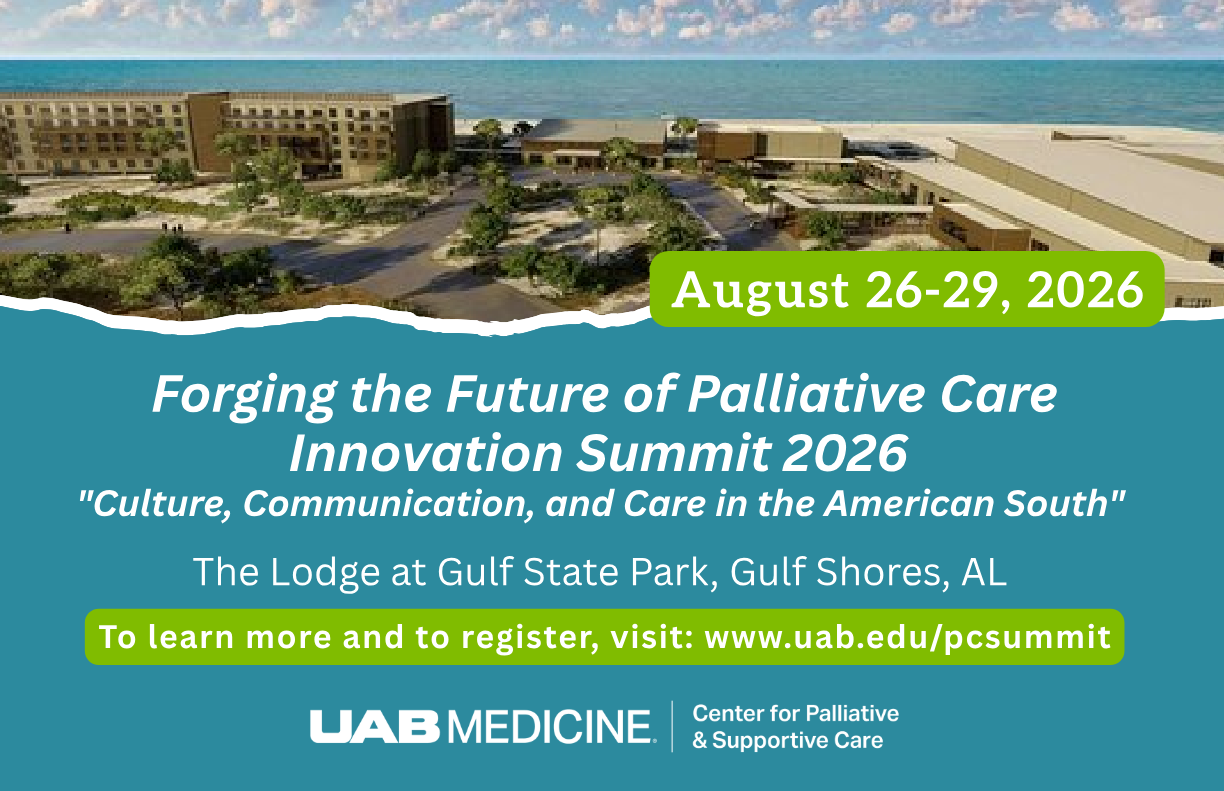

Sponsor advertisement
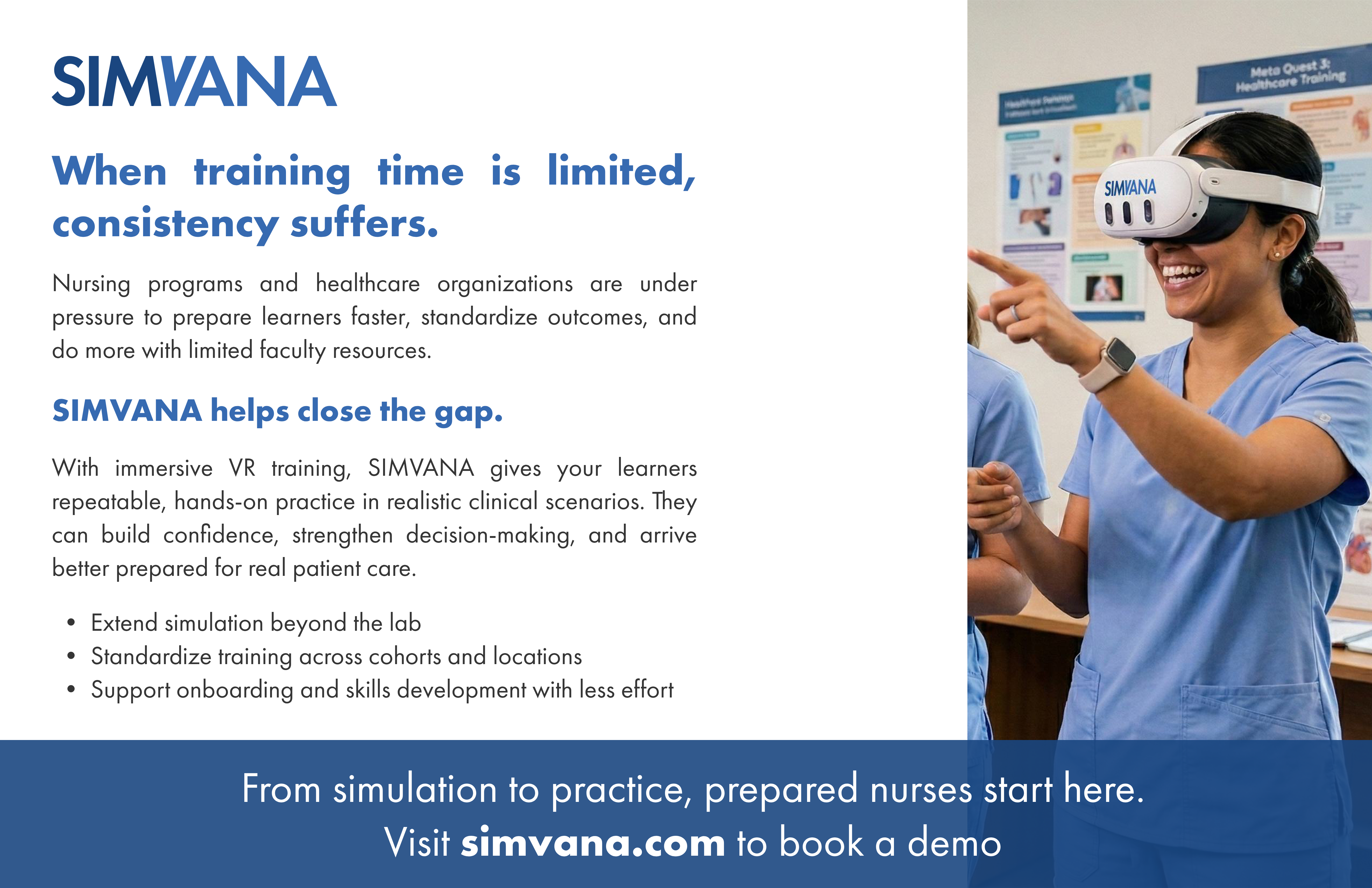
Bronze Sponsors

Sponsor advertisement
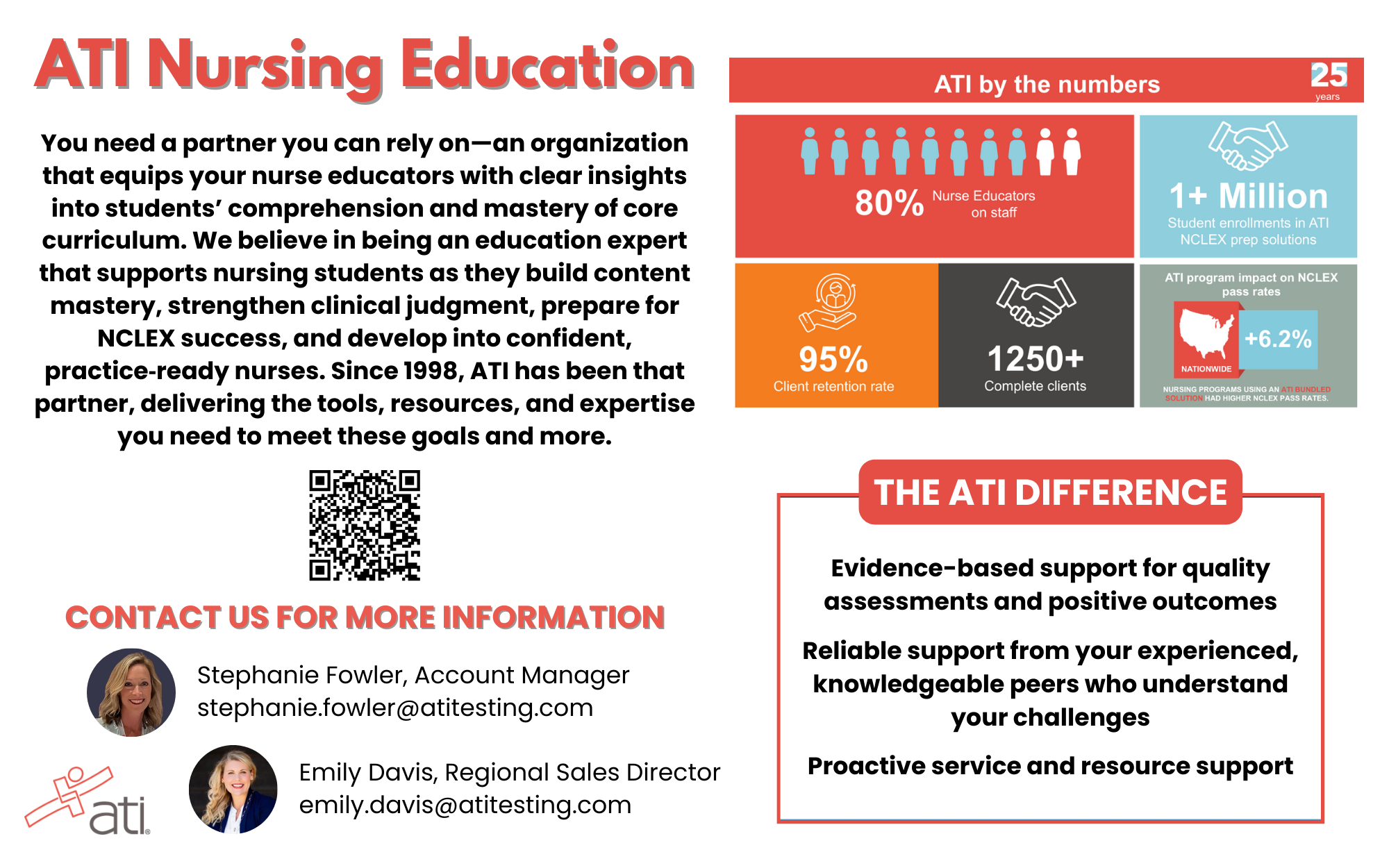

Sponsor advertisement

Sponsor advertisement
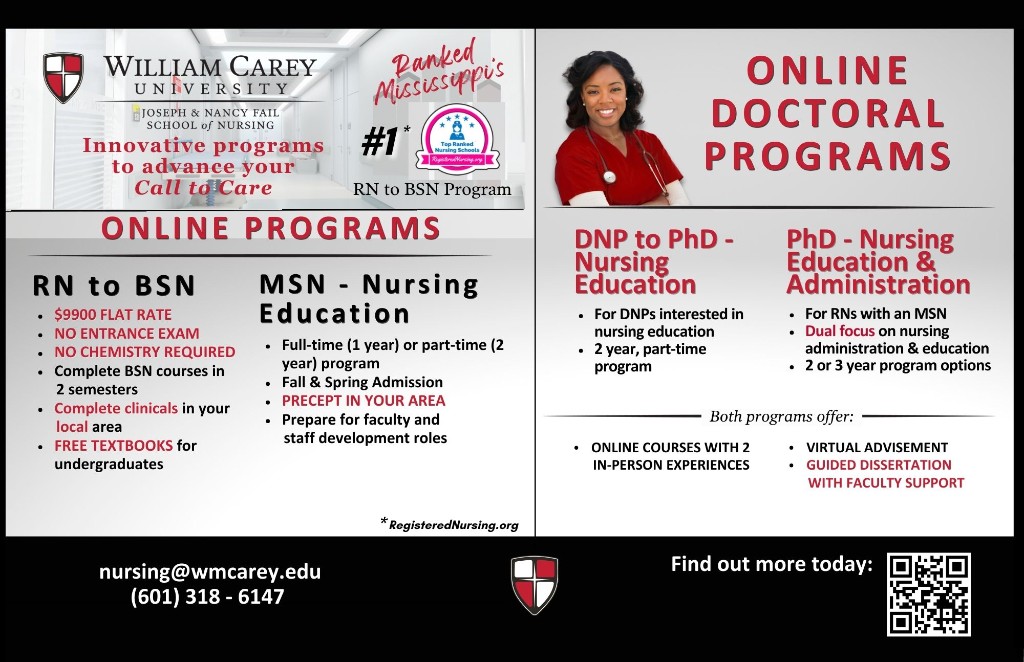
Conference supporters
Nursing Contact Hours
7.50 contact hours
Accreditation Statement
The University of Alabama Capstone College of Nursing is approved as a provider of nursing continuing professional development by the American Nurses Credentialing Center's Commission on Accreditation.
How to Obtain CE Hours
- • Complete conference evaluations
- • Follow instructions provided at concluding remarks
- • Submit required documentation
Important Notes
- • CE hours available for all sessions
- • Instructions provided at Saturday's concluding remarks
- • Evaluations are required for credit
Session evaluation links
Use these links to complete your session evaluations (QR codes will also be available at the conference).
Parking & Directions
All attendees must register their vehicle before arriving. Click the link below to register your car for conference parking.
Register your vehicle for conference parkingThe Capstone College of Nursing
The University of Alabama
Tuscaloosa, Alabama
Things To Do in Tuscaloosa
Dinner is on your own. Here are local events and dining options.

Events & Entertainment
- • Beatles vs. Stones: A Musical Showdown
- • Piff The Magic Dragon
- • Alabama Gymnastics vs. Kentucky
- • Moundville Lithic Arts Festival
- • Alabama Baseball vs. North Florida
Restaurants & Dining
- Southern Ale House · $$ · Mon–Thu 11 AM–9 PM; Fri–Sat 11 AM–10 PM
- Baumhower's Victory Grille · $$ · Approx 11 AM–10 PM daily
- Side by Side Kitchen & Cocktails · $$–$$$ · Daily 5 PM–10 PM
- Forté Tuscaloosa · $$–$$$ · Tue–Sat; brunch Sat 10 AM–2 PM
- Rama Jama's · $ · Mon–Sat 7 AM–4 PM; Sun 9 AM–2 PM
- Urban Bar & Kitchen · $–$$ · Lunch & dinner; see website
- Avenue Pub – Downtown · $$ · Sun 10 AM–9 PM; Mon–Sat 11 AM–10 PM
- Legends Bistro & Lounge · $–$$ · Breakfast, lunch, dinner
- Jalapeños Downtown Cocina + Tequila Bar · $ · Mon–Sun; see website
- Decades Pub and Grub · $ · Tue–Sun; see website
- River · $$$ · Tue–Sun; brunch Fri–Sun
- Chuck's Fish · $$–$$$ · Daily dinner